
Recent Floods in Sumatra: A Wake-Up Call for Climate Resilience
Research suggests that the devastating floods in Sumatra during late 2025 were intensified by a rare tropical cyclone, deforestation, and climate change, leading to widespread loss and displacement. It seems likely that recovery efforts will focus on reforestation and stricter environmental regulations to build a more sustainable future. Evidence leans toward viewing these events as a catalyst for long-term adaptation, though challenges like ongoing deforestation and underinvestment in infrastructure could hinder progress.
Key Impacts
- Human Toll: Over 950 deaths, hundreds missing, and nearly 1 million displaced across Aceh, North Sumatra, and West Sumatra.
- Economic Damage: Reconstruction estimated at over $3 billion, with homes, roads, and communities destroyed.
- Environmental Factors: Decades of forest loss 1.4 million hectares since 2016, exacerbated flooding by reducing natural barriers.
Path Forward
Indonesia's government has suspended permits for 750,000 hectares of land and is investigating mining and plantation activities. Experts emphasize prevention through ecosystem restoration and climate-smart policies to mitigate future risks.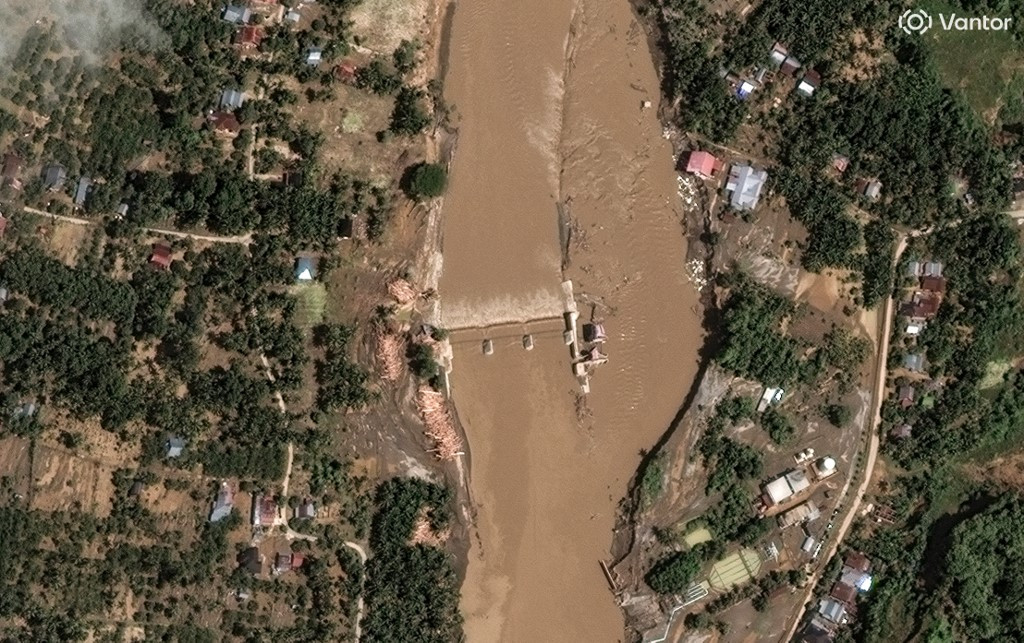
How We See Our Future??
In the wake of the catastrophic floods that ravaged Sumatra in late November and early December 2025, the island's residents and leaders are grappling with profound questions about sustainability, resilience, and progress. Titled provocatively as "How We See Our Future??", this blog delves into the recent news surrounding these disasters, exploring not just the immediate devastation but also the broader implications for Sumatra's trajectory. Drawing from eyewitness accounts, expert analyses, and government responses, we reflect on how this tragedy, fueled by climate change and human activity could reshape the island's destiny. As an archipelago nation on the frontlines of global warming, Indonesia's handling of Sumatra's crisis offers lessons for us all, blending urgency with optimism for a greener tomorrow.
The floods, triggered by Tropical Cyclone Senyar's landfall on November 26, 2025, marked one of the deadliest natural disasters in Sumatra's recent history. Interacting with another system, Cyclone Koto, it unleashed torrential rains over 130 millimeters in just three hours in coastal areas like Lhokseumawe, Aceh causing flash floods and landslides that swept away villages, roads, and lives. By December 9, the death toll had climbed to nearly 1,000, with 274 people still missing, over 5,000 injured, and close to one million displaced. Temporary shelters housed 975,075 individuals, while 156,000 homes were damaged or destroyed. Affected provinces included Aceh, North Sumatra, and West Sumatra, where highland communities remained isolated, with aid delivered on foot due to blocked roads in 13 subdistricts of North Sumatra alone. The human cost extended beyond numbers: families separated, livelihoods in agriculture and fishing obliterated, and a sense of vulnerability that permeated daily life. Similar events across Southeast Asia, including in Sri Lanka and Thailand, underscored a regional pattern, with over 1,750 deaths in recent weeks, highlighting the interconnected threats of extreme weather.
At the heart of this catastrophe lies decades of deforestation, which stripped away natural defenses and amplified the storm's fury. Between 2016 and 2025, approximately 1.4 million hectares of forest were lost in the affected provinces, driven by industrial forestry, oil palm plantations, hydropower projects, and gold mining. In the Batang Toru ecosystem a critical habitat for the endangered Tapanuli orangutan activities by companies like PT Sago Nauli and the Martabe gold mine contributed to soil erosion and riverbed clogging. Environmental groups like WALHI and Greenpeace Indonesia point out that Sumatra's natural forest cover now stands at just 11.6 million hectares, or 24% of the island, far below the 30-33% needed for ecological balance. Riandra Purba of WALHI described the floods as a "serious warning," urging stricter permit issuance to preserve natural benefits over short-term gains. Kiki Taufik from Greenpeace attributed the intensity to rapid global warming, noting that while cyclones near the equator are rare, climate change makes them more potent, leading to heavier rainfall and deadlier outcomes. Without forests acting as "natural sponges," exposed slopes funneled water, rocks, and timber into deadly torrents, choking rivers and overwhelming communities.
The Indonesian government's response has been swift but faces scrutiny for its long-term efficacy. Environment Minister Hanif Faisol Nurofiq suspended operating permits for three companies in Batang Toru on December 6, following an aerial survey, and Forestry Minister Raja Juli Antoni halted activities across 750,000 hectares an area 12 times the size of Chicago. Energy and Mining Minister Bahlil Lahadalia pledged investigations into potential criminal violations, with reconstruction costs estimated at 51.82 trillion rupiah ($3.11 billion). The National Disaster Management Agency (BNPB) continues monitoring, but experts like Eko Teguh Paripurno from the University of National Development “Veteran” Yogyakarta stress the need for scientific assessments of landscape resilience, rather than blaming weather alone. The Asian Water Development Outlook 2025 warns of broader threats: Asia needs $4 trillion by 2040 for water infrastructure, with a $150 billion annual shortfall, or risks undermining development amid rising disasters.
Looking ahead, Sumatra's future vision hinges on adaptive strategies that address these root causes. Climate scientists predict that while tropical cyclones may become less frequent, their intensity will rise, necessitating robust mitigation. Recommendations include reforestation programs, stricter enforcement of environmental laws, and investments in disaster-resilient infrastructure like improved river basins and early warning systems. Civil society calls for prioritizing prevention over response, with budget reallocations to ecosystem restoration. In Batang Toru, protecting remaining old-growth forests could safeguard biodiversity and communities alike. Broader initiatives, such as Indonesia's path to 2030 climate goals, emphasize enforcing laws and sustainable development to avert a "climate utopia" turned dystopia. Yet, challenges persist: underinvestment, regulatory loopholes, and global warming's unpredictability. As one expert noted, "Southeast Asia should brace for worsening extreme weather in 2026 and beyond." For Sumatra, this crisis could spark a renaissance rebuilding greener, more equitable societies or serve as a harbinger of recurring tragedies if lessons go unheeded.
In essence, "How We See Our Future??" is a call to action. Sumatra's story is one of resilience amid adversity, where collective efforts in conservation and policy reform could pave the way for a sustainable legacy. As floods recede, the real work begins: envisioning an island where nature and humanity coexist harmoniously, turning today's warnings into tomorrow's safeguards.